



Creams, butters, masks, and balms require packaging that allows easy access to thick formulations. Wide mouth jars and cream containers meet this need, offering generous openings that accommodate fingers, spatulas, or applicators. While conceptually simple, these containers involve meaningful design decisions around materials, lids, and sealing that affect product protection and user satisfaction.
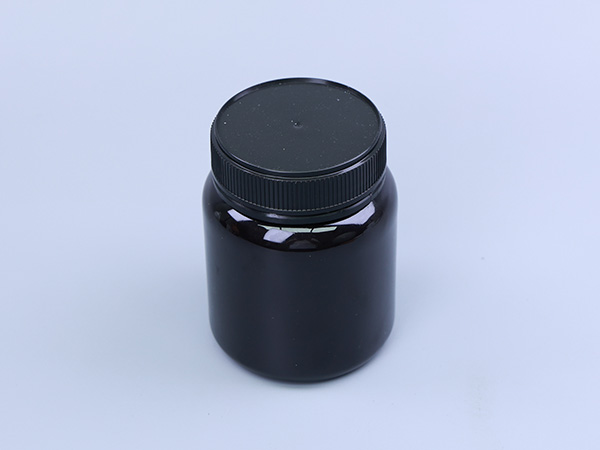
Why Wide Mouth Jars Suit Thick Formulations
Products with high viscosity—body butters, face creams, hair masks, and solid balms—resist dispensing through pumps or narrow openings. Wide mouth jars allow direct access, letting users scoop or dip as needed. The open format also accommodates products applied with spatulas or cosmetic tools, common in professional and premium skincare contexts.
Jar Material Options And Properties
PET, PP, PS, and acrylic are common jar materials. PET and PS offer clarity for products where visual appeal matters. PP provides chemical resistance and durability, suitable for a broad range of formulations. Acrylic, often used in premium packaging, delivers glass-like transparency with lighter weight and shatter resistance. Material choice balances aesthetics, formulation compatibility, and cost.
Double-Wall Jars For Premium Appearance
Double-wall jars consist of an inner container and a decorative outer shell, creating the illusion of thickness associated with luxury packaging. The inner wall holds product, while the outer wall carries color, finish, or decorative effects. This construction allows brands to achieve premium aesthetics without the weight or fragility of glass. Many double-wall designs also improve thermal insulation slightly.
Lid And Cap Design Considerations
Lids range from simple screw-on caps to elaborate double-wall covers. Screw-on lids provide secure closure and are easy to manufacture. Snap-on lids offer convenience for frequently opened products. Some premium jars incorporate metallized lids, textured surfaces, or embossed logos. Lid material and finish should complement the jar for a cohesive look and reliable sealing.
Sealing Systems And Product Preservation
Because jars open wide, sealing becomes critical to prevent drying, contamination, and oxidation. Common sealing solutions include liner discs, gaskets, and inner seals that rest beneath the lid. Some jars incorporate sealing plugs or screw-in inserts that provide additional barriers. For products prone to drying, tight-sealing designs greatly extend usable shelf life after opening.
Jar Shape And Size Options
Jars are available in round, square, oval, and custom profiles. Round jars are efficient to manufacture and offer generous capacity. Square jars maximize label area and pack efficiently in shipping cartons. Sizes range from 5ml sample pots to 500ml or larger bulk formats. Selecting sizes aligned with usage patterns supports both consumer convenience and cost efficiency.
Neck Finish And Thread Specifications
Standardized neck finishes ensure compatibility between jars and lids across suppliers. Common finishes include 48/400, 53/400, and 70/400, among others. Deviating from standard finishes requires custom lids, increasing cost and limiting supplier options. Confirm specifications and verify that proposed lids match jar finishes precisely before production.
Decoration And Branding Opportunities
Jars offer broad surface area for branding. Techniques include silk screening, hot stamping, labeling, and in-mold labeling. Bottle and lid colors can be matched or contrasted. Metallic finishes, soft-touch coatings, and embossing add tactile appeal. Because jars are prominently displayed on vanities and in retail settings, decoration investment often yields strong brand recognition.
Functional Additions And Inserts
Some cream jars include functional additions—spatula holders, inner trays that separate product from applicators, or protective discs that shield surfaces. Refillable jar designs allow consumers to purchase replacement inserts while keeping the decorative outer container. These features differentiate products and can support sustainability positioning.
Quality And Consistency Factors
Jar quality affects both protection and perception. Wall thickness consistency prevents weak spots. Lid fit precision ensures proper sealing and smooth opening. Surface finish quality—free of visible mold lines or blemishes—conveys premium value. Request samples from multiple production batches to assess consistency. Evaluate jars with actual product to confirm compatibility and performance.
Cost Factors And Minimum Orders
Jar costs depend on material, wall thickness, double-wall construction, and decoration. Stock jars with standard finishes offer accessible minimums, while custom molds and complex decorations require larger investments. Refillable and double-wall designs typically cost more upfront but can support higher price points. Request tiered quotations based on volume and customization level.
Sustainability Considerations
Environmental priorities increasingly influence jar selection. Options include jars made from recycled plastic, refillable systems, and mono-material designs that simplify recycling. Some brands offer jar return or refill programs. Because jars are reusable by nature, they lend themselves well to refill models—an advantage for brands building circular packaging strategies.
Conclusion
Wide mouth jars and cream containers serve a broad range of thick formulations with practicality and presentation value. Material selection, lid design, sealing systems, and size options all contribute to product success. By understanding these variables and collaborating with experienced plastic packaging manufacturers, brands can source jars that protect formulations, delight users, and reinforce premium brand positioning.
References
Beauty Packaging Magazine. "Jar Packaging Innovations in Skincare." Industry Report, 2024.
Cosmetics and Toiletries Magazine. "Protecting Anhydrous and Emulsion Products." Technical Feature, 2023.
Packaging Digest. "Decorating Techniques for Cosmetic Containers." Design Guide, 2024.
Plastics News. "Refillable Packaging Models Gain Momentum." Market Analysis, 2024.