



Skincare formulators increasingly turn to airless pump bottles when preserving delicate ingredients matters most. Unlike conventional pumps that pull product through a dip tube, airless systems use a vacuum piston that rises as product is dispensed. The result is a packaging format that protects formula integrity while delivering elegant user experiences. Understanding how these bottles work helps brands decide whether the investment suits their products.
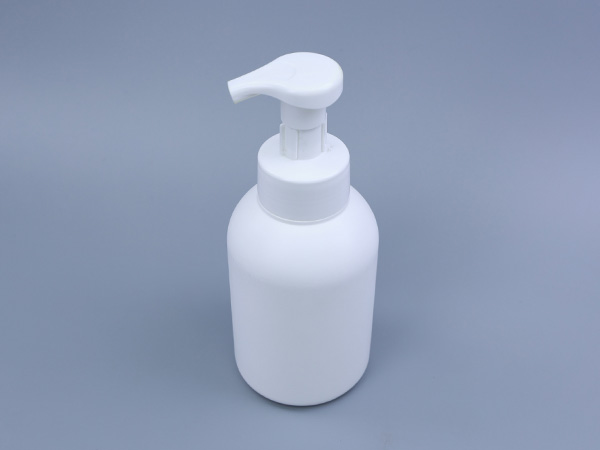
How Airless Dispensing Technology Works
An airless bottle contains a piston at the bottom that moves upward as the pump is actuated. A vacuum created inside the bottle draws the piston up, pushing product toward the pump without any air entering the chamber. Because the formulation never contacts air until it exits the nozzle, oxidation and contamination are minimized. This closed system distinguishes airless bottles from standard lotion pumps, which rely on dip tubes and allow air to replace dispensed product.
Protection For Sensitive Active Ingredients
Vitamin C, retinol, peptides, and botanical extracts degrade when exposed to oxygen and light. Airless packaging addresses oxygen exposure by eliminating headspace air. Many airless bottles also incorporate opaque or UV-resistant materials that shield light-sensitive compounds. Formulators developing premium serums and treatment products often choose airless systems specifically to extend shelf life and maintain potency throughout the product's use period.
Complete Product Evacuation
Consumers notice leftover product they cannot reach. Standard pumps often leave a percentage of formulation trapped in the bottle, generating complaints and waste. Airless systems dispense virtually all contents, typically achieving evacuation rates above 95 percent. This efficiency matters for expensive formulations where even small residual losses represent meaningful value. It also supports sustainability messaging around reduced waste.
Hygiene And Contamination Control
The closed nature of airless packaging reduces contamination risk. Because air and external contaminants cannot enter the chamber, formulations remain protected from microbial introduction during use. This benefit appeals to brands marketing preservative-free or low-preservative products, where packaging becomes part of the preservation strategy rather than an afterthought.
Material Options For Airless Bottles
Airless bottles commonly use PP (polypropylene) for the bottle body, piston, and pump components due to its chemical resistance and mechanical durability. Some designs incorporate outer shells in PET, acrylic, or AS (acrylonitrile styrene) for premium visual appeal, with the functional airless cartridge nested inside. This layered construction allows brands to combine performance with decorative outer finishes that elevate shelf presence.
Decorative Outer Shells And Aesthetics
Because the functional components are internal, airless bottle exteriors can be treated to nearly any aesthetic specification. Common finishes include matte or glossy coatings, soft-touch surfaces, metallic effects, and gradient colors. Some brands add texture or engraving to convey luxury. The outer shell may be refillable, allowing consumers to retain the decorative housing while replacing only the inner cartridge.
Dosage Precision And User Experience
Airless pumps typically deliver highly consistent doses per stroke, often between 0.15 and 0.5 milliliters depending on design. Consistent dosing suits concentrated formulations where precise application matters. Pumps can be specified with varying output volumes and actuation forces to match product viscosity and consumer expectations. Testing multiple pump samples against your actual formulation helps confirm the ideal configuration.
Viscosity And Formulation Compatibility
Airless systems perform best with medium-viscosity liquids and gels. Extremely thin products may dispense unevenly, while very thick formulations can overwhelm pump mechanisms. Formulators often adjust viscosity specifically for airless packaging. Sharing formulation details with your manufacturer early allows them to recommend pump specifications and bottle dimensions suited to your product's flow characteristics.
Cost Considerations And Order Volumes
Airless bottles cost more per unit than standard containers because of their added components and assembly steps. However, the premium positioning they support and the reduction in wasted product can justify the investment for high-value formulations. Minimum order quantities vary by manufacturer, and custom outer shell designs carry additional tooling costs. Request detailed quotations covering both stock and customized options.
Quality And Testing Standards
Functional reliability defines airless packaging quality. Key tests include dispensing consistency across the full fill volume, leak resistance during storage and transport, piston seal integrity, and compatibility between formulation and all contact materials. Reputable factories provide testing documentation and sample evaluations before production commits. Always test complete filled samples rather than empty containers alone.
Sustainability And Refill Trends
Refillable airless systems represent a growing category. Consumers keep the decorative outer bottle and purchase replacement cartridges, reducing plastic consumption per product cycle. Some manufacturers offer cartridges made from recycled or bio-based materials. This model aligns with extended producer responsibility trends and consumer demand for waste reduction, though it requires brands to build refill distribution and communication into their strategy.
Applying Airless Packaging To Your Product Line
Not every product benefits equally from airless packaging. Serums, treatment concentrates, foundations, and premium moisturizers suit the format well. Mass-market products with relaxed shelf-life requirements may find standard pumps more cost-effective. Evaluating factors including formulation sensitivity, target price point, and brand positioning guides the decision. Experienced manufacturers help brands weigh these trade-offs objectively.
Conclusion
Airless pump bottles offer meaningful advantages for brands protecting sensitive formulations and seeking elevated user experiences. Vacuum dispensing, near-complete evacuation, and contamination control address real formulation challenges. While unit costs run higher than conventional packaging, the benefits for premium skincare can outweigh the investment. Partnering with manufacturers experienced in airless technology ensures proper selection, testing, and reliable supply.
References
Cosmetics and Toiletries Magazine. "Packaging Technologies for Sensitive Formulations." Technical Feature, 2024.
Beauty Packaging Magazine. "The Growth of Airless Dispensing Systems." Market Analysis, 2023.
International Journal of Cosmetic Science. "Packaging Influence on Formula Stability." Research Review, 2022.
Plastics Today. "Advances in Dispensing and Vacuum Packaging." Industry Report, 2024.