



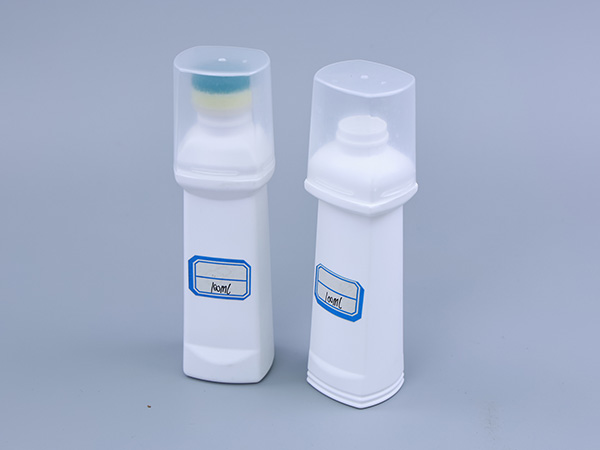
Sponge applicator bottles combine storage and dispensing in a single integrated package. From shoe polish to cosmetics, adhesives to cleaning solutions, these specialized containers deliver product directly through an attached sponge. Understanding their design elements and applications helps brands select appropriate packaging for products requiring direct application without separate tools.
How Sponge Applicator Mechanisms Work
The concept is straightforward: a container holds liquid or semi-liquid product, and a sponge attached to the cap or bottle opening dispenses product when pressed against a surface. Gravity or user pressure forces product through a flow restrictor into the sponge. Some designs include valves or regulators that control product flow, preventing over-saturation or leakage during storage. The simplicity of this mechanism makes sponge applicators reliable and cost-effective.
Common Applications Across Industries
Shoe polish represents perhaps the most familiar sponge applicator application. The bottle stores polish, and users apply directly without separate brushes or cloths. Beyond footwear care, cosmetic products like liquid makeup removers, skin treatments, and hair products use similar dispensing. Household products including leather conditioners, furniture polish, and spot cleaners benefit from direct application. Industrial applications include lubricants and adhesives where precise application reduces waste.
Sponge Material Selection
The sponge itself directly contacts both product and application surface, making material choice critical. Polyurethane sponges offer durability and chemical resistance for demanding applications. Natural sponges appeal for eco-friendly positioning but may degrade with certain formulations. Foam density affects both product absorption and release—denser foams hold more product but may transfer less readily. Discuss compatibility between your formulation and sponge materials with potential suppliers.
Bottle Materials and Compatibility
HDPE and PET serve as primary bottle materials for sponge applicator containers. HDPE suits products requiring chemical resistance and durability, common in household and industrial applications. PET provides clarity for products where consumers need to see remaining quantity or product color. The bottle must withstand pressure from user squeezing—thin walls can crack or permanently deform with aggressive handling.
Cap Designs and Sealing Systems
The cap protects the sponge when not in use and prevents product evaporation or leakage. Snap-on caps provide quick access for frequently used products. Screw-on caps offer more secure sealing, important for products prone to drying or those stored in various orientations. Some caps incorporate sealing gaskets that engage with bottle lips, creating airtight closures. Overcap designs that fully enclose sponges protect against contamination during storage.
Flow Control Features
Product viscosity influences flow behavior through sponge applicators. Thin liquids flow readily, sometimes too readily, requiring valves or restrictor plates that limit flow. Thicker products may need reservoirs or squeeze-activated dispensing that forces product toward the sponge. Adjustable flow mechanisms allow users to control dispensing volume, although these add complexity and cost. Match flow control sophistication to your product's dispensing requirements.
Shape and Ergonomic Considerations
Bottle shape affects both aesthetics and functionality. Cylindrical designs are simple to manufacture and provide consistent wall thickness. Contoured shapes with grip areas improve handling, especially for products applied with one hand. Bottle base stability matters for products set down between applications. Size considerations include both product volume and the relationship between bottle capacity and sponge size—a small sponge on a large bottle may require frequent inversion to saturate.
Customization and Branding Options
Sponge applicator bottles offer various customization opportunities. Bottle color, whether standard or custom-matched, reinforces brand identity. Sponge color can coordinate or contrast with bottle aesthetics. Cap designs range from basic to custom-molded shapes. Decoration methods including silk screening, labeling, and heat transfer apply branding to curved bottle surfaces. Work with manufacturers to understand customization options and associated minimum orders.
Quality Testing for Sponge Applicators
Reliable dispensing requires thorough quality control. Key tests include flow rate consistency across multiple actuations, sponge durability under repeated use, seal integrity during storage in various orientations, and drop testing to ensure packaging survives shipping and handling. Request quality control documentation from manufacturers, including test protocols and acceptance criteria.
Product Compatibility Testing
Formulation and packaging must work together. Product viscosity, surface tension, and chemical composition all affect dispensing performance. Request compatibility testing with your actual formulation before committing to production. This testing typically evaluates product stability in the container over time, sponge compatibility, and dispensing consistency across the product's shelf life.
Environmental and Sustainability Factors
Sponge applicator bottles present recycling challenges due to their multi-material construction—plastic bottles combined with foam sponges. Some manufacturers now offer designs that facilitate disassembly for separate recycling streams. Alternative materials, including bio-based foams and recycled plastics, address sustainability concerns. Discuss environmental options with suppliers to align packaging with brand sustainability commitments.
Cost Structure and Production Considerations
Sponge applicator bottles typically cost more than standard containers due to integrated dispensing mechanisms. However, they eliminate the need for separate applicators, potentially reducing overall packaging costs. Minimum order quantities vary by customization level—standard designs may have accessible minimums, while custom bottles or sponges require larger commitments. Discuss production lead times and volume-based pricing with potential suppliers.
Conclusion
Sponge applicator bottles offer integrated dispensing solutions across diverse applications from cosmetics to household products. Design elements including sponge material, bottle construction, flow control, and sealing mechanisms all contribute to user experience and product performance. By understanding these factors and partnering with experienced manufacturers who provide testing support and quality assurance, brands can develop packaging that delivers reliable performance and satisfies consumer expectations.
References
Household Products Magazine. "Integrated Applicator Packaging Trends." Industry Feature, 2024.
Beauty Packaging Magazine. "Applicator Solutions for Cosmetic Products." Technical Report, 2023.
Packaging World. "Design Considerations for Sponge-Top Containers." Design Guide, 2024.
Journal of Elastomers and Plastics. "Foam Materials for Dispensing Applications." Research Article, 2022.