



Roll-on packaging has remained a staple in personal care for decades, offering controlled application and mess-free dispensing. From deodorants to antiperspirants and therapeutic roll-on products, these specialized containers require precise engineering to deliver consistent user experiences. Understanding their components and quality factors helps brands source effectively from plastic bottle manufacturers.
Core Components of Roll-On Bottles
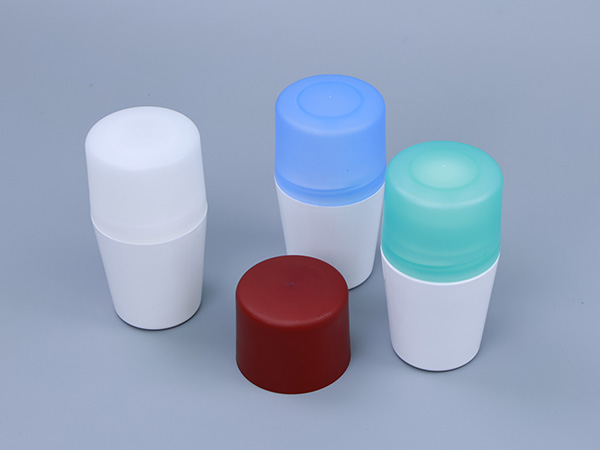
A roll-on container consists of several integrated parts working together. The bottle body holds the liquid formulation. A ball housing secures the rolling applicator. The ball itself, typically made from stainless steel, polypropylene, or glass, rolls smoothly during application. An overcap seals the assembly, preventing leakage and contamination. Each component must fit precisely—loose tolerances cause leaks, while tight fits impede smooth rolling action.
Ball Material Selection
The rolling ball directly contacts both product and user skin, making material choice crucial. Stainless steel balls offer durability, smooth rolling, and a premium feel. They conduct coolness to the skin, enhancing user comfort during application. Polypropylene balls cost less and work well for products requiring specific chemical compatibility. Glass balls, less common today, suit niche products where material inertness matters. Your manufacturer can advise on optimal ball material for specific formulations.
Bottle Body Materials and Design
PET and HDPE dominate roll-on bottle production. PET's clarity appeals for products where consumers want to see remaining quantity or product color. HDPE offers opacity that can protect light-sensitive formulations. Bottle shapes range from classic cylindrical profiles to ergonomic designs with grip enhancements. Some brands incorporate texture patterns or curves that distinguish their products on shelves.
Housing and Retention Mechanisms
The ball housing secures the applicator while allowing free rotation. Snap-fit housings click into place during assembly, offering quick production and secure retention. Threaded housings screw onto bottle necks, providing additional security for active lifestyle products. The housing's inner geometry affects product flow—too tight and the ball won't roll smoothly, too loose and product leaks during storage.
Cap Options and Seal Integrity
Overcaps serve dual purposes: protecting the ball from contamination and preventing leakage in transit and storage. Snap-on caps provide quick assembly and adequate sealing for most applications. Screw-on caps offer enhanced security for travel-size products. Some caps incorporate inner seals or gaskets that engage with the housing, creating multiple barrier layers against leakage.
Size Options and Filling Considerations
Roll-on bottles come in standard volumes ranging from 10ml travel sizes to 75ml or larger standard retail sizes. Filling operations require specialized equipment that dispenses precise volumes without contaminating the ball housing area. Work with your manufacturer to understand filling specifications—overfilling can cause assembly issues, while underfilling leaves consumers feeling shortchanged.
Customization and Branding Opportunities
Differentiation in crowded deodorant markets often relies on packaging aesthetics. Custom colors, whether through material pigmentation or surface coating, create visual identity. Silk screening or label application on curved roll-on surfaces requires specialized equipment—verify your manufacturer's decorating capabilities. Some brands opt for custom cap shapes or specialty finishes like metallic coatings that elevate perceived value.
Quality Testing Standards
Roll-on packaging demands rigorous quality control. Key tests include leakage evaluation under various orientations and temperatures, ball rolling force consistency, cap removal torque, and drop testing. Reputable factories maintain documentation of test protocols and results. Request quality control specifications before production to understand acceptance criteria and testing frequency.
Regulatory Compliance
Products applied to skin require packaging that meets safety standards. Materials contacting formulation should be FDA-compliant or meet equivalent regional regulations. For antiperspirants classified as over-the-counter drugs in some markets, packaging must satisfy additional requirements. Discuss regulatory considerations with potential suppliers to ensure materials and designs comply with target market regulations.
Assembly and Filling Process
Manufacturing roll-on bottles involves precise assembly steps. Bottles are injection-blown or extrusion-blown to shape. Ball housings and balls are assembled separately, then attached to bottles. Some manufacturers offer filled, assembled products, while others supply empty containers for contract packers to fill. Clarify supply terms with your supplier to align packaging sourcing with your production capabilities.
Minimum Order Quantities and Lead Times
Tooling for custom roll-on bottles requires investment, influencing minimum order quantities. Standard bottles available from manufacturer catalogs may have lower minimums than fully custom designs. Lead times vary based on order complexity, raw material availability, and factory capacity. Planning production schedules around realistic lead times prevents inventory shortages during peak selling periods.
Sustainability Considerations
Environmental concerns influence consumer purchasing decisions increasingly. Some manufacturers now offer roll-on bottles incorporating recycled materials or designed for easy disassembly for recycling. Mono-material designs using only polypropylene for both bottle and cap simplify recycling streams. Discuss sustainability options with potential suppliers to align packaging choices with brand environmental commitments.
Conclusion
Roll-on deodorant bottles combine precise engineering with practical functionality. Ball material, housing design, cap security, and bottle aesthetics all contribute to product success. By understanding these components and working closely with experienced manufacturers, brands can source packaging that performs reliably, protects formulations, and appeals to consumers in competitive personal care markets.
References
Personal Care Products Council. "Packaging Guidelines for Cosmetic and Personal Care Products." Industry Standards, 2023.
Packaging Digest. "Innovations in Deodorant and Antiperspirant Packaging." Feature Article, 2024.
International Journal of Cosmetic Science. "Delivery Systems for Topical Applications." Research Review, 2022.
FDA Office of Cosmetics and Colors. "Cosmetic Packaging and Labeling Guide." Regulatory Guidance, 2023.